

If you’ve been researching homes in the Fargo area, you’ve likely seen headlines about special assessments in Horace. With those headlines came strong opinions, confusion, and a lot of mixed information. For buyers considering building or purchasing in Horace, that can raise understandable questions.
Recently, local Realtor Mehgan Oye of REALTY XPERTS released an in-depth educational video explaining what special assessments are, what happened in Horace in 2025, and what changes the city has implemented moving forward. Here’s a clear breakdown of what you need to know.
What Are Special Assessments?
Special assessments are charges placed on specific properties to pay for public improvements that directly benefit those properties. Instead of raising property taxes across an entire city, infrastructure costs such as roads, sewer systems, drainage, and utilities are assigned to the properties that benefit from those improvements.
This system has been used for decades in the Fargo area as rural communities have grown into modern suburbs. It allows cities to expand without increasing taxes on residents who are not part of new development areas.
It’s also important to understand that special assessments are separate from standard property taxes. They are tied to the property itself, not the individual owner.
How Are Special Assessments Calculated?
One of the biggest misconceptions about special assessments is that everyone pays the same flat amount. Once infrastructure projects are identified, whether they are local improvements like residential streets and utility lines, or larger regional projects like major roads and trunk sewer systems, the city uses established calculation methods to distribute costs based on benefit and usage. The three methods are:
Front Footage Method
Properties are assessed based on how much street frontage they have. A lot that touches more roadway may carry a larger portion of costs tied to that street and utilities.
Area-Based Method
For certain projects, particularly stormwater management, larger lots may be assessed more because they create more runoff and require more drainage capacity.
Each (Use Factor) Method
Under this approach, each property begins with a base share, which is then adjusted depending on land use. A single-family home typically carries one unit. Multifamily properties, commercial buildings, or land that could be subdivided may carry higher use factors because they place greater demand on roads, utilities, and infrastructure.
The goal of these methods is to assign costs proportionally based on impact and benefit, not to charge every property that same amount regardless of size or use. Understanding how assessments are calculated helps explain why totals can vary between neighborhoods, and even between neighboring lots.
What Happened in Horace in 2025?
In 2025, a group of homeowners in one newer phase of development saw their final assessment totals come in significantly higher than early estimates. Several factors contributed to that outcome:
- Rising construction costs due to inflation
- Temporary bonding that added interest over time
- A timing gap between when homes were sold and when final assessments were certified.
Many buyers closed on their homes before final project costs were determined, which led to unexpected increases once assessments were finalized. While the situation received broad media attention, the largest increases were concentrated within a specific development phase, not across the entire city.
What Has Changed Since Then?
Following the 2025 situation, the City of Horace implemented several updates aimed at improving clarity and predictability for future homeowners.
- Increased city cost-sharing on major regional infrastructure projects
- Phasing out temporary bonding for local subdivisions
- Earlier certification of assessments when possible
- Expanded communication through public meetings and online updates
The stated goal moving forward is improved transparency and more predictable timelines for buyers.
What This Means for Buyers Today
Special assessments are not unique to Horace. They are a part of how many growing communities in the Fargo area fund infrastructure. The key is awareness and education.
Before building or buying, buyers should:
- Confirm whether assessments are estimated or finalized
- Understand which improvement districts apply
- Ask whether there are unpaid or upcoming assessments
- Review official documentation directly from the city
When these conversations happen early, assessments become a known factor in the buying decision rather than a surprise later. At Jordahl Custom Homes, we prioritize clarity throughout the building process. That includes open conversations about assessments, timelines, and what to expect.
Why Many Families Still Choose Horace
Despite the recent headlines, Horace remains one of the fastest-growing communities in the Fargo area. Families are drawn to:
- Smaller class sizes
- A true small-town atmosphere
- New schools and expanding infrastructure
- Proximity to Fargo amenities
- Continued business growth and community investment
The city has made significant investments to support long-term growth, safety, and sustainability. For many buyers, that long-term planning is part of what makes Horace attractive. Growth always comes with learning curves. What matters most is how a community responds, and Horace has taken those steps to adapt and improve.
Making a Confident Decision
The goal is not to avoid growing communities, but to approach them informed and prepared. If you’re considering building or purchasing in Horace and have questions about special assessments, our team is here to provide clear answers and guide you through the process.
With the right information and the right partners, buying or building in Horace can be a confident and well-informed decision.
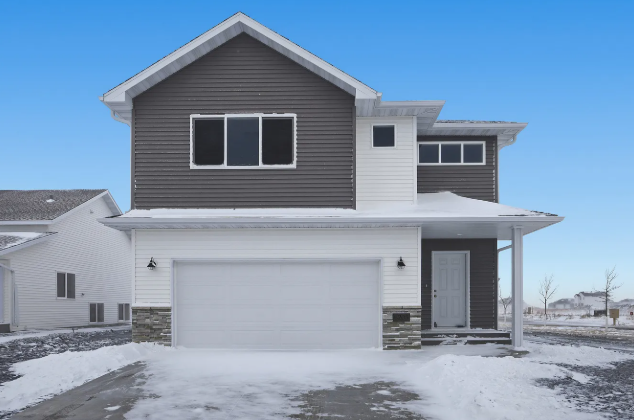
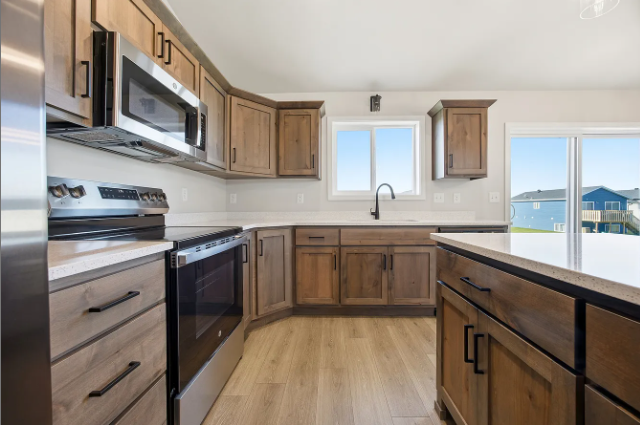
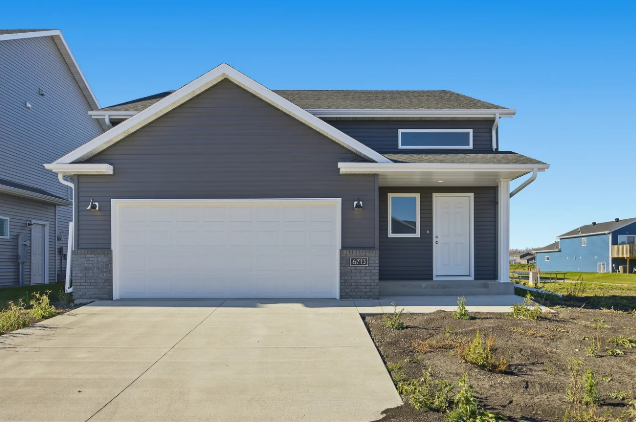
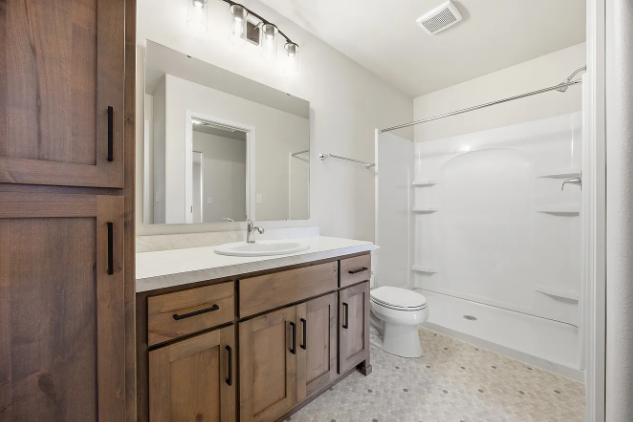
Check out Mehgan Oye's current listings in Horace:


Contact Jordahl Custom Homes to learn more about available lots, available homes, and building opportunities in Horace.